It’s a Wrap!

Not sure what the ‘scrunchy’ face is for!
The Colette Patterns Osaka skirt from the March issue of 
Seamwork is a quick and simple reversible wrap skirt
that takes only a couple hours to sew.
Definitely use light to mid weight fabrics for this one
as there is a lot of bulk where the seams join.
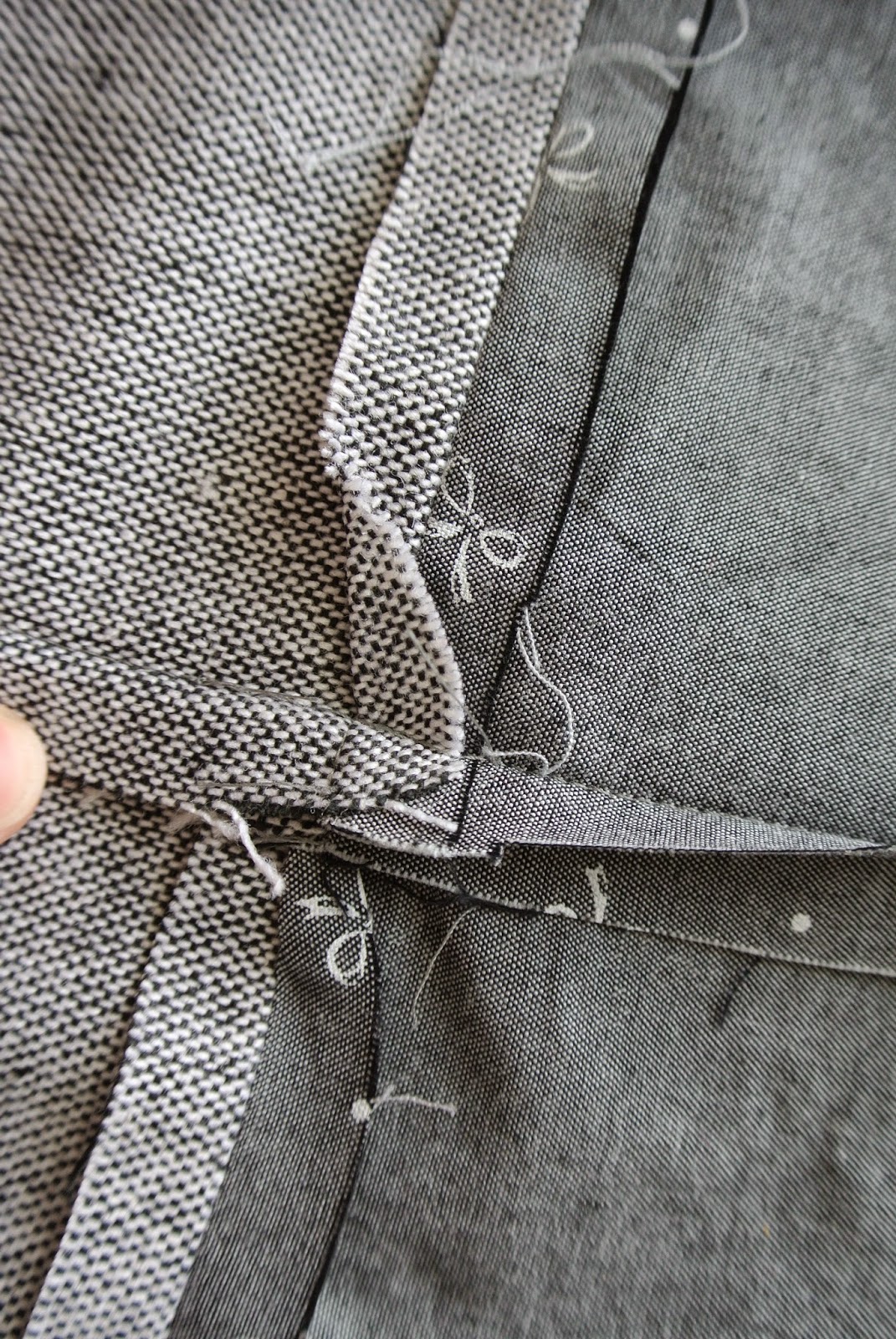
I clipped the seams and pressed them in opposing directions where they all intersect.
That helped reduce the bulk.
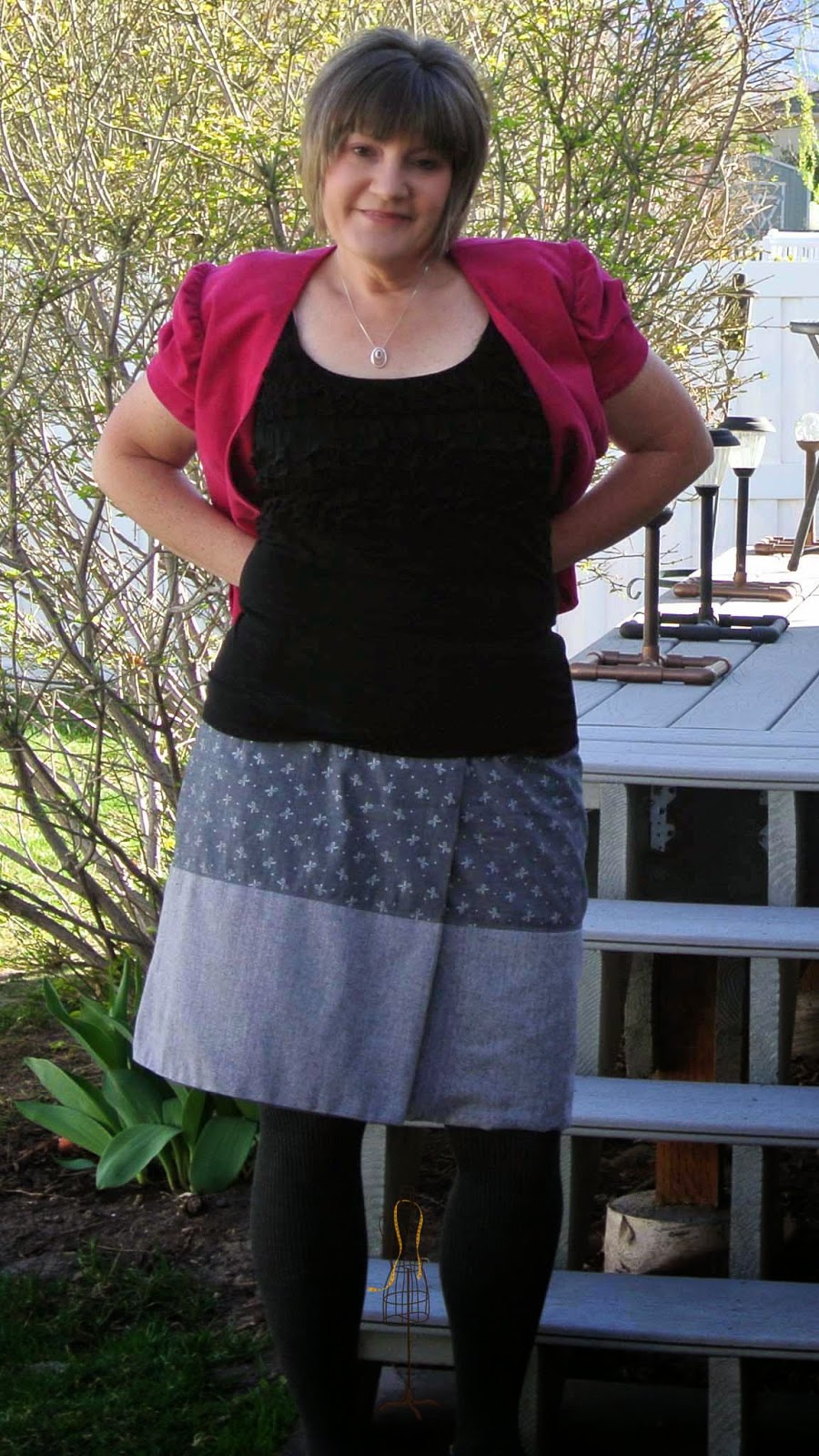
The lightweight denim print by Gretchen Hirsch
and the lightweight wool suiting from my friend, Linda,
paired nicely for this year-round skirt.
I can wear it with tights (as shown here) in cool weather or
with strappy sandals or flats when the weather is warmer.
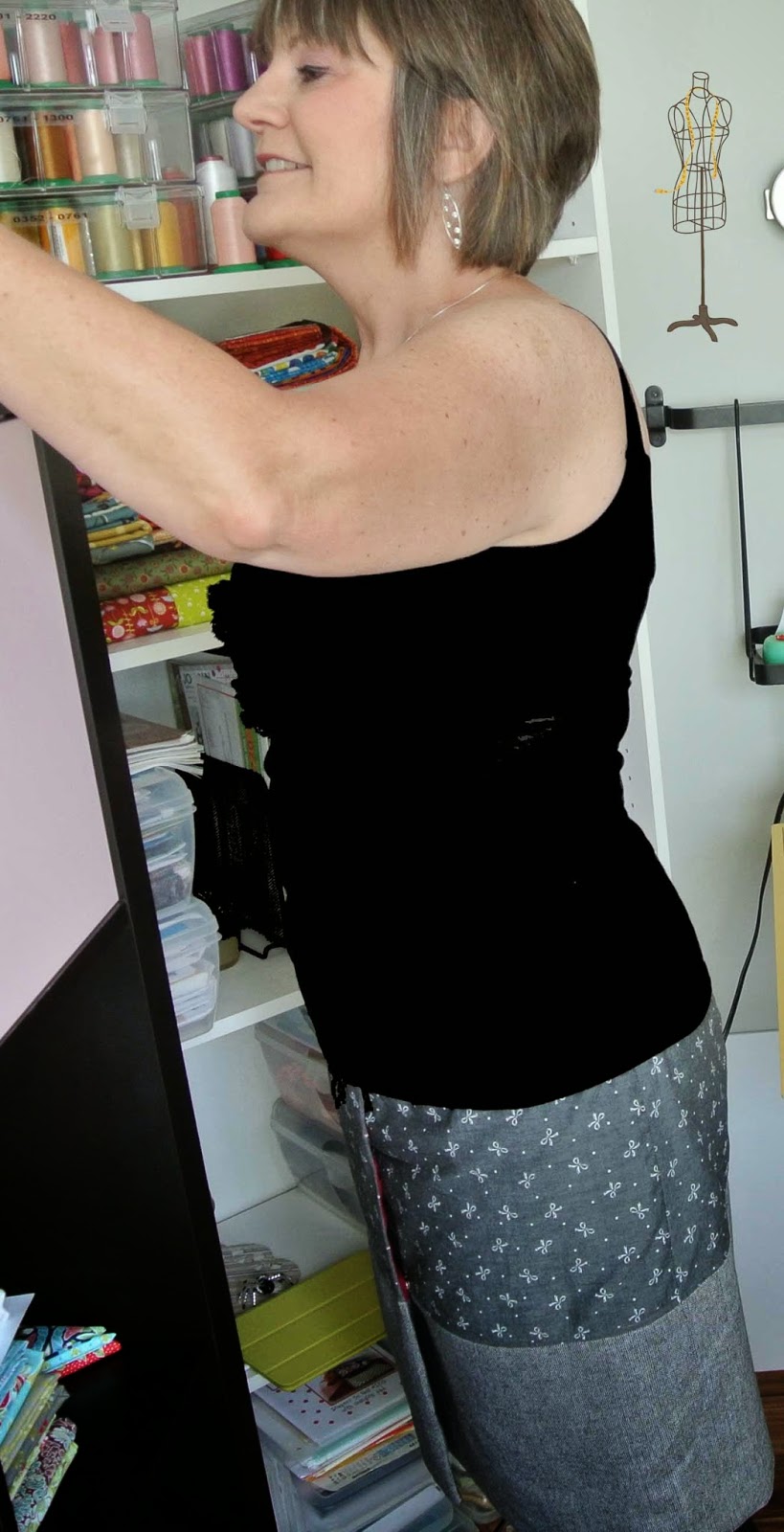
There is a button closure at the top of the skirt,
and a snap midway down, where the different fabrics meet.
Those two closures are enough to keep the opening secure.
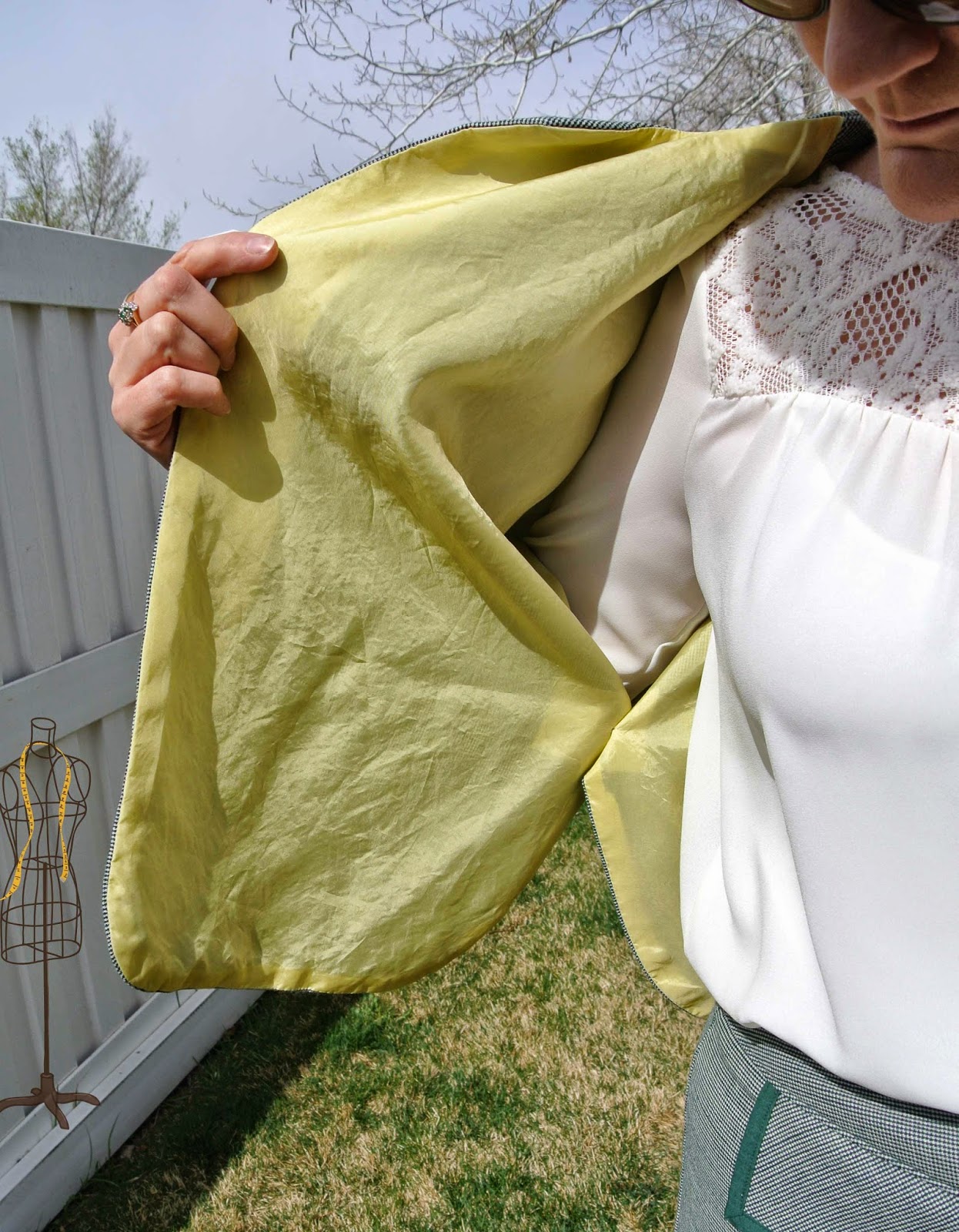
From this side angle, you get an idea of how the wrap stays closed.
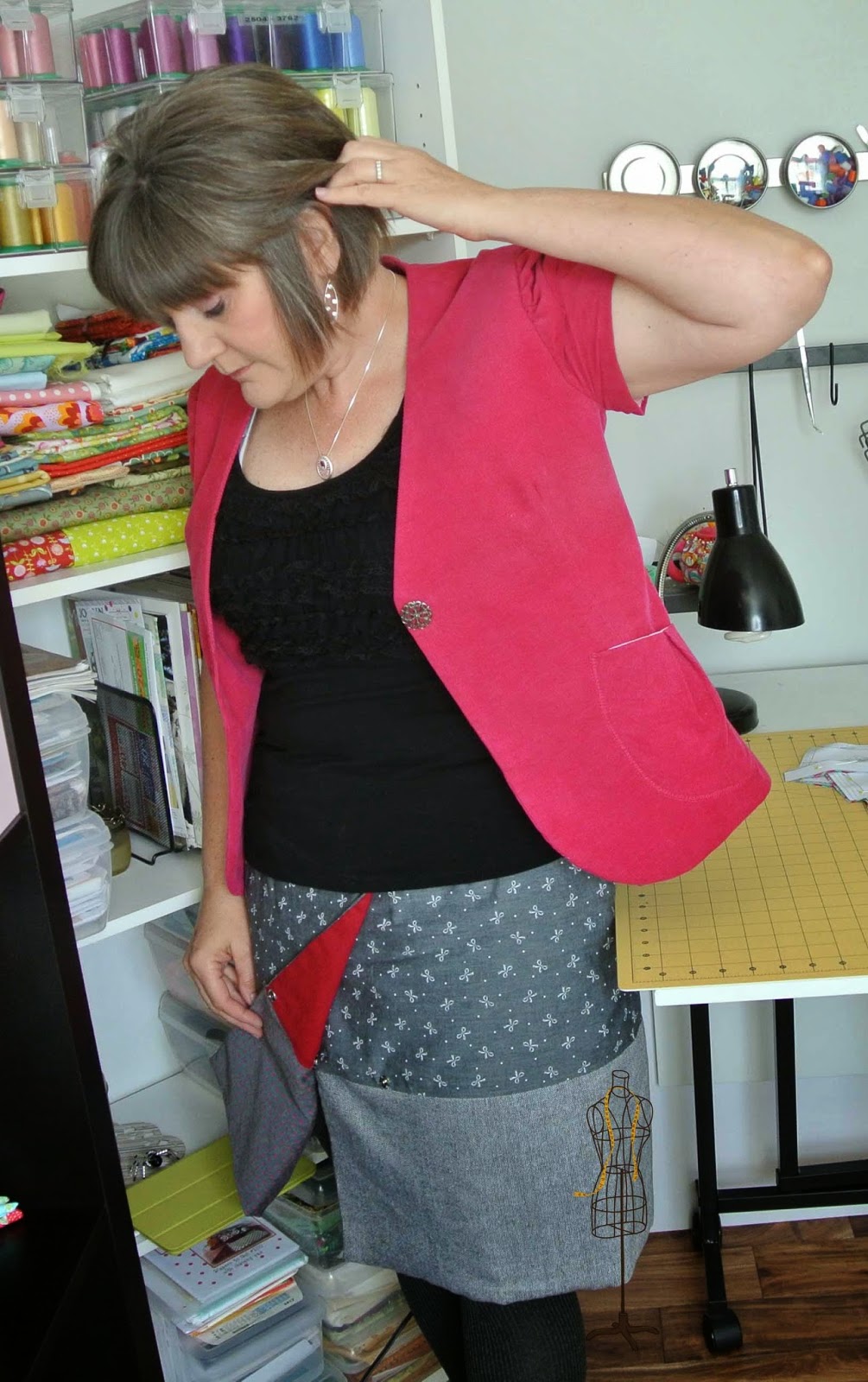
Skirt:  Osaka by Colette Patterns – Jacket:  Simplicity 2728
For the reverse side of the skirt, I used another denim print by Gretchen Hirsch
and another wool suiting from my friend Linda, this time in fuchsia pink.
If you are not familiar with Seamwork, I recommend it as a terrific
source of monthly sewing instruction and inspiration.
Check it out on the Colette Patterns website.

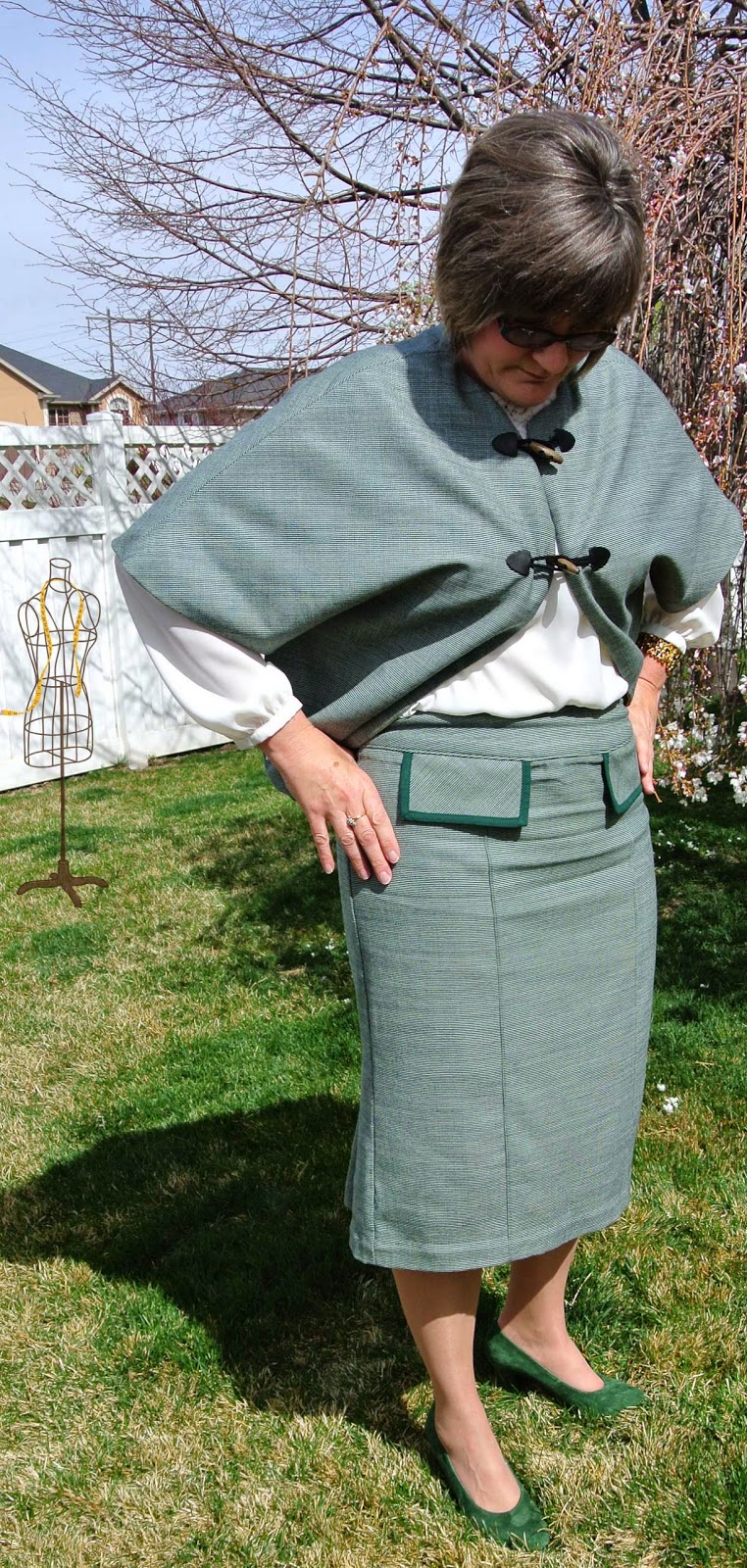
Skirt and Cape Combo

Cape:  Liesl & Co. Woodland Stroll Cape   Skirt:  Simplicity 2475
First off, my apologies because this fabric does not play nice with the camera.
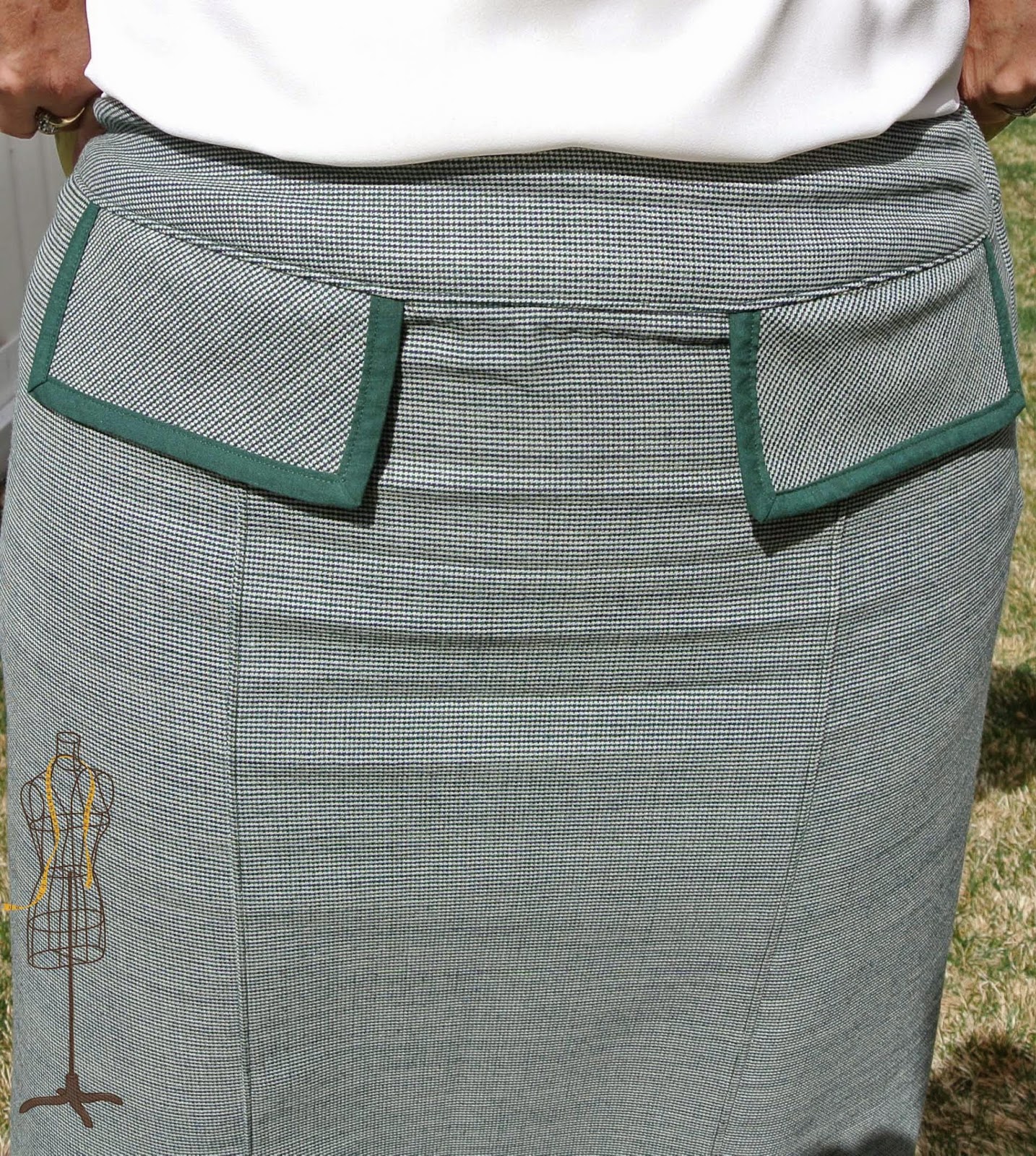
It is a beautiful green wool plaid from the Pendleton stash gifted to me from my friend Linda.
Second, my apologies for the skirt wrinkles, but I did just return from church service,
and well, this is real life and sometimes life gets wrinkled!!!

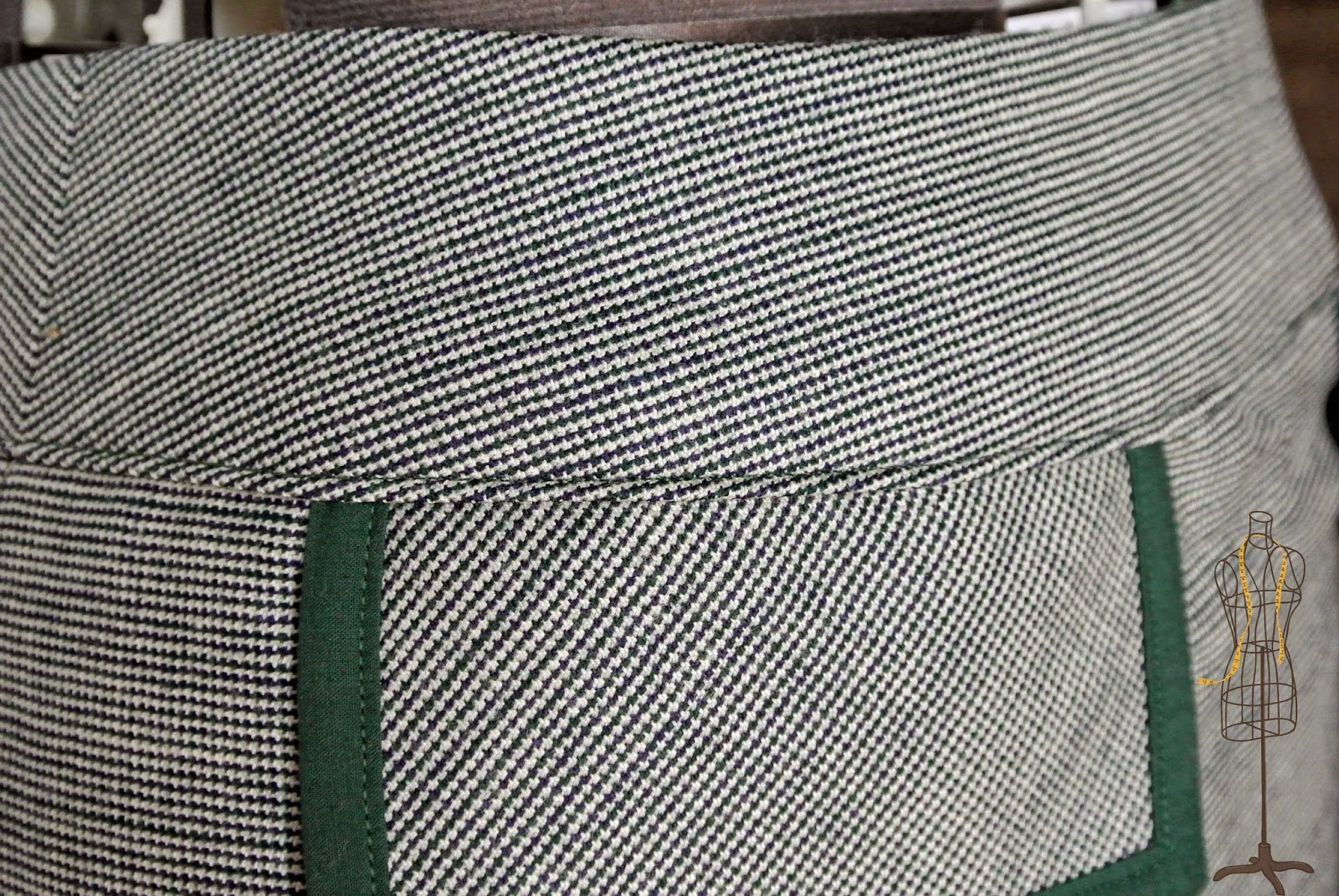
The pocket flaps are edged with purchased green bias tape.
I’ve sewn the Simplicity 2475 pattern a couple of times,
but this is the first time I’ve tried the Woodland Cape pattern.

 The pattern is quick to sew, fits true to size with no alterations,
and is extremely comfortable to wear.
I have big plans for this one in the fall.
I’ve already purchased the fabric and plan to sew it up in August or September.
I will post an in-depth review at that time, so stay tuned!

Until we next cross paths again, my friends, keep sewing.

The Best Interfacing for Home Sewers (IMHO)

Current garment project:  wool skirt
Once in a while a product or tool comes along that adds a professional look to our sewing items.
Interfacing is one of those products.
It is necessary for preventing fabric from waving and folding and scrunching.
All of which make our hand-made items look homemade.
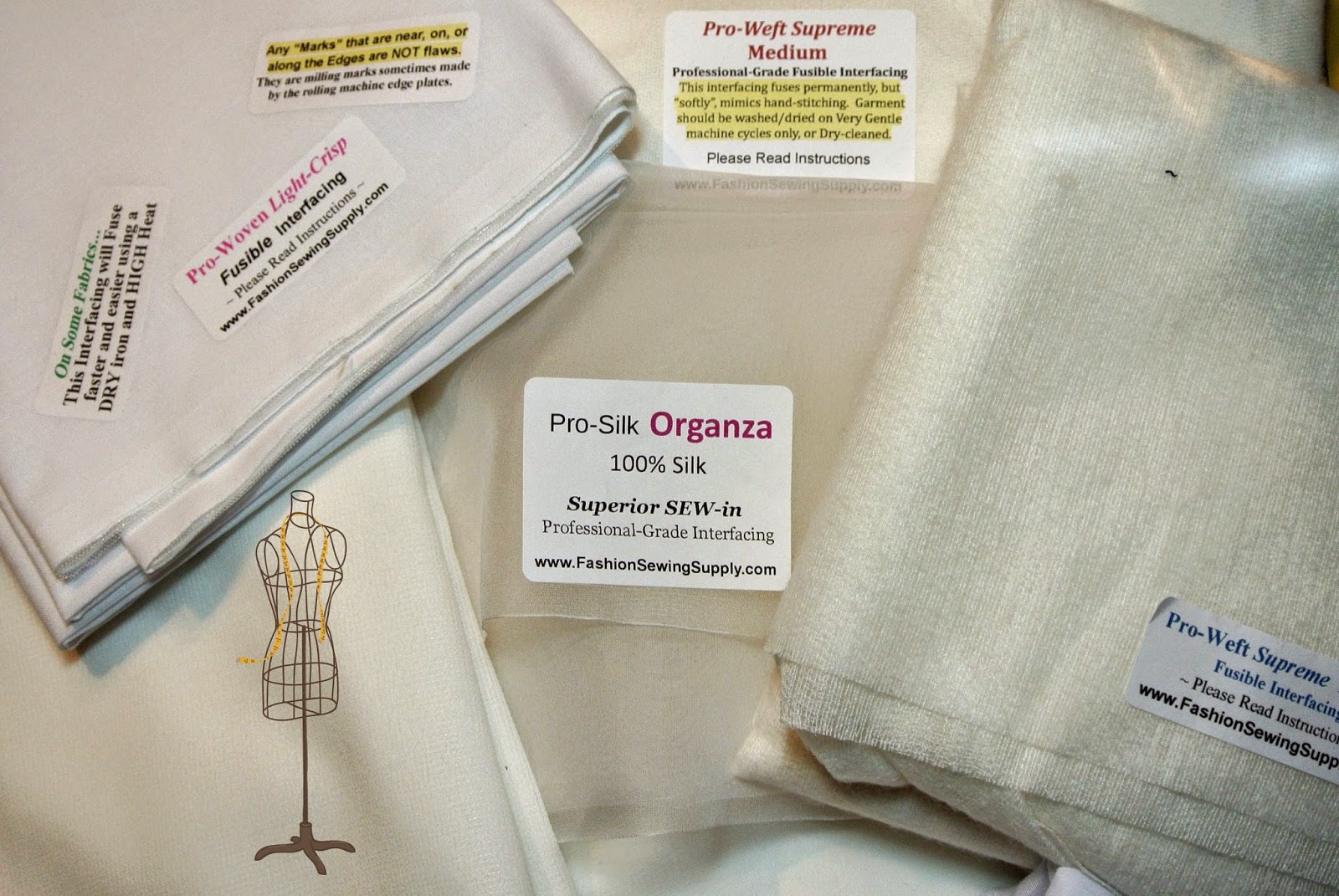
A selection of some of the interfacing offered at Fashion Sewing Supply
Today, I want to share with you all, my trusted source for professional-grade interfacing.
It is Fashion Sewing Supply located in New York.
Not only are their products top notch,
their customer service also exceeds expectations.
Ordinarily, I receive my order in under a week.
And on one of my past orders, unbeknownst to me,
one of the interfacings I ordered was going on sale the following week.
They discounted my interfacing to reflect the upcoming sale price
and they refunded the difference to my account.
What company does that?
Oh, and did I mention their interfacing is a whopping 60″ (152 cm) wide?
Well, it is.  Unlike that skinny little stuff sold at the big box stores.
  
This one supports the waistband and pocket flaps on my wool skirt
The interfacing I’m using on my current garment is Pro-Sheer Elegance Medium.
It gives cuffs, collars, pocket flaps, and waistbands
shape and stability without stiffness.
It is different from the big name interfacing found in the big box stores. 
Can you see the fabric weave in that interfacing?
It is like adding a piece of supporting fabric,
rather than a stiff, paper-like substance, to your garment.
Fashion Sewing Supply interfacing is like the supporting actor to the lead character.
The primary is made a star by the support it receives from the secondary.
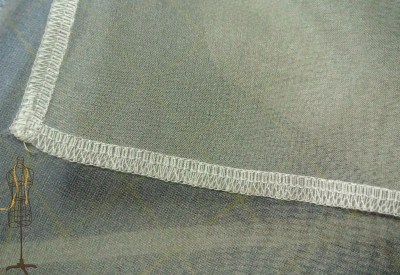
Silk organza press cloth
 Another Fashion Sewing Supply product that I’m sold on is their silk organza.
I’ve always read that the best press cloths are made from silk organza.
So, I decided to give it a shot.
Wow!
The. Best. Press. Cloth.
 
So easy to use these beauties when pressing
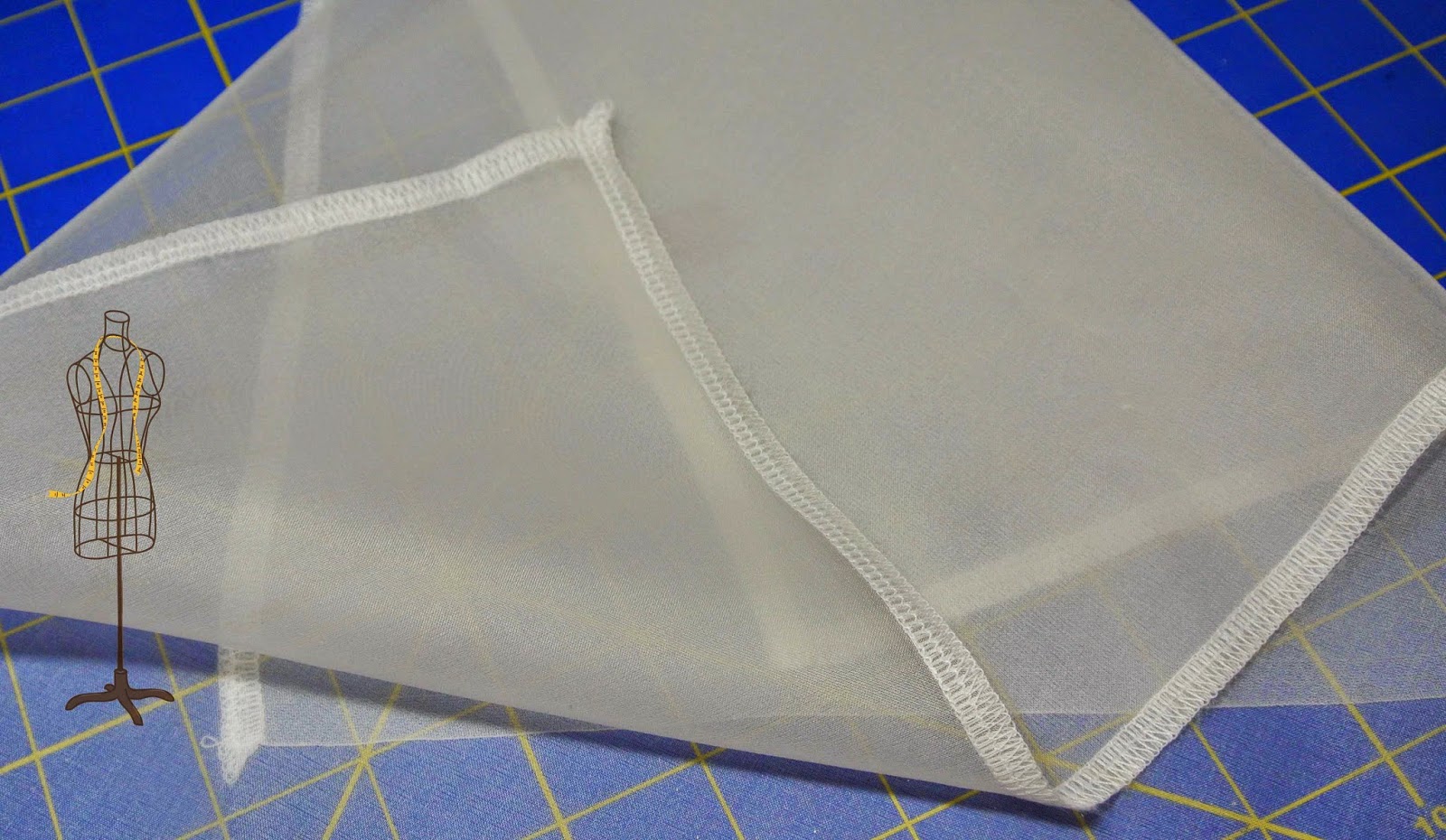
I cut my press cloths to measure 18″ x 22″ (46 cm x 56 cm).
That’s not press cloth law or anything, it’s just the size that works best for me.
Cut your press cloth any size you wish.
That size just gives you a starting point.
Serge the edges or hem them with a double fold and you’re good to go.
Your new press cloth should last you for years and years.
If you have an interfacing source you would like to share,
please leave a comment below.
Sewing choices are so individual, just like all of us.
Happy sewing, my friends.